
Voice Cloning vs Text-to-Speech: Which Wins for Video Narration?
Clone your own voice when a video needs to sound like you or a named presenter across many episodes; use a stock AI voice when you need speed, multiple languages, or a video today. Here is the tradeoff broken down by setup time, consistency, language reach, and cost.
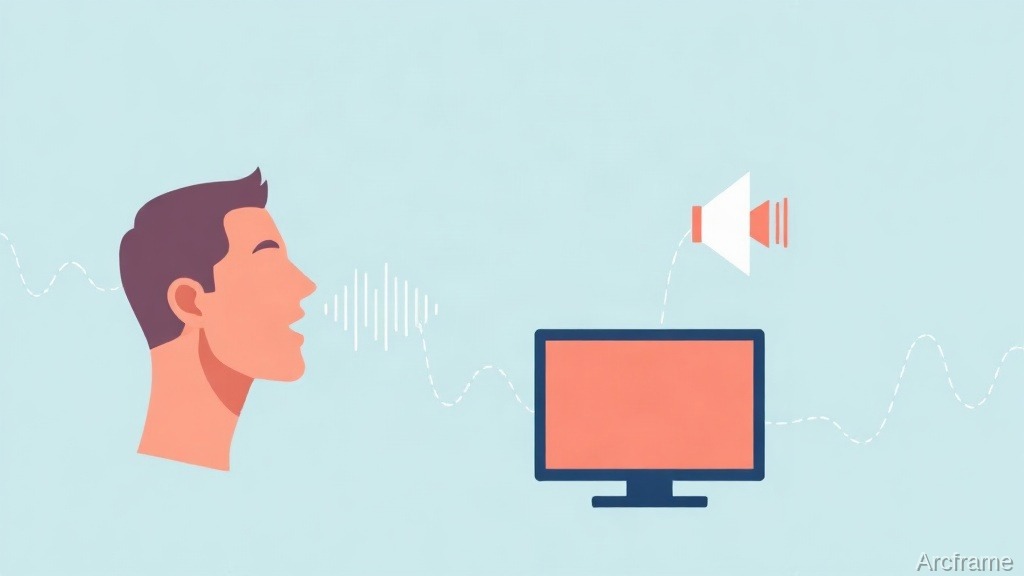
Clone your own voice when a video series needs to consistently sound like one specific person — you, a founder, a named instructor — across many episodes. Use a stock AI voice when you need a video finished today, need it in a language you don't speak, or the narrator's identity doesn't matter to the audience. Both are AI-generated speech; the difference is what you're optimizing for: identity and consistency versus speed and language reach.
The two approaches, side by side
| Voice cloning | Stock AI voice (text-to-speech) | |
|---|---|---|
| Setup time | One-time recording or sample upload, then reusable | Zero setup — pick a voice and generate |
| Time to first video | Slower on video #1 (need the clone first) | Fastest — generate narration immediately |
| Consistency across a series | Same voice every episode by design | Consistent only if you keep reusing the same preset |
| Identity | Sounds like a specific real person | Sounds like a generic narrator, not tied to anyone |
| Language reach | Limited to languages the clone engine supports well | Broadest — including 11 Indian languages via Sarvam AI on Arcframe |
| Best for | Personal brand channels, recurring instructor-led training, founder-led product videos | Explainers, ads, one-off social clips, multilingual rollouts, anything needing speed |
When to clone your voice
Voice cloning earns its setup cost when a video is one of many that need to sound like the same person. A course with 40 lessons, a YouTube channel where subscribers expect your voice, or an internal training series fronted by a specific manager — in all of these, re-recording is expensive and a generic narrator would feel like a downgrade. Clone the voice once on Arcframe, then reuse it for narration in every video you generate afterward, without a mic or a recording session for each one.
The tradeoff is upfront effort. You need a usable voice sample before the first video ships, and quality depends on that sample being clean. If you only need a handful of videos ever, or the person behind the voice changes from project to project, cloning is solving a problem you don't have.
When a stock AI voice is the better call
A stock voice wins whenever the narrator's identity isn't the point. Product explainers, ad creative, social clips, and localized training material all work fine — often better — with a clean, professional narrator voice that isn't trying to be anyone in particular. There's no setup: pick a voice, drop in your script, generate.
Stock voices are also the only practical option for reaching audiences in a language you don't personally speak. Arcframe's text-to-speech, including Sarvam AI's models, covers 11 Indian languages — Hindi, Tamil, Telugu, and others — so a single English script can become narration in a regional language without cloning anything, and without hiring a voice actor per language.
A hybrid that most teams miss
These aren't mutually exclusive within one project. A common pattern: clone the founder's voice for the English master video that represents the brand, then use stock multilingual voices for the regional-language versions distributed to other markets. You get a consistent brand voice where it matters most and fast, affordable reach everywhere else — instead of trying to force one voice choice to do both jobs.
What neither option does well
Neither approach fixes a bad script. AI narration, cloned or stock, reads exactly what you give it — it won't add emphasis a human editor would catch, and a rambling script will sound rambling in any voice. Cloning also won't perfectly reproduce emotional range; it captures timbre and cadence, not a live performance. If a video depends on genuine emotional delivery — a testimonial, a dramatic moment — a real recording still beats either AI path. For everything else — explainers, training, product narration, multilingual rollouts — the choice is really just cloning versus stock, and the table above is the decision.
Trying both
Arcframe supports voice cloning and multi-language text-to-speech in the same account, so testing both on the same script costs a few credits rather than a new tool signup. The free plan includes 20 one-time credits with no card required, enough to generate narration both ways and compare before committing a whole video series to one approach.